Your Bag

Share


Updated February 3, 2026.
Whether we realize it or not, we’re continuously receiving cues from our environment. It’s a remaining testament to our evolution, needing to constantly read our surroundings for signs of danger or a refuge of safety. These often subconscious cues are even more important as we drift off into that delicate state of slumber, where we resign ourselves from this world and enter into the dream world.
This is why optimizing our sleep environment is paramount. Creating the ultimate sleep sanctuary, can be a make it or break it factor in how well we greet the sleep world. Some of us sleep hot, some cold- some like dense pillows, some soft. But when it comes to our sleep environment, there are some universals that can benefit us all.
In this blog, we’ll cover five grounded ways to make the ultimate sleep sanctuary.
There may be a “hot” debate over the thermostat’s resting place in your household. But it is recommended to keep your bedroom on the cooler side at around 65 degrees F. [1] The ideal temperature may vary a few degrees individual to individual, but a general range is 60-72 degrees F. Another temperature hack is to try the German household ritual of Lüften. Lüften involves the tradition of opening the windows 10-15 minutes before bed to allow fresh, cool air to circulate the bedroom. Fall or Wintertime in Montana is the perfect time to experiment with adding this to your routine.
Some of us are lighter sleepers and noise distractions can be quite disruptive to our sleep quality. For those with a snoring partner or other unavoidable noise pollution- ear plugs could be a good option. We like the 100% silicone, non-toxic ones by Dryft.


Other options include neutralizing extra sounds with a white noise machine or fan. For the dryer months of Winter, a bedside humidifier can be a good option. This one from Canopy, has mold-inhibiting technology in its filter and has bonus features of white noise throughout the night.
Even subtle lighting, say from an alarm clock or street lamp, can impact our sleep. Controlling our light exposure during the evening hours can help. Avoid light disruptions in the bedroom- you can even change out your bulbs to red light. Red light mimics candlelight and communicates to our internal system (circadian rhythm) that it’s night, and time to wind down. Try covering or ‘blacking out’ power lights from televisions, clocks, smoke alarms and the like. Install blackout curtains if light pollution is an issue outside your room.
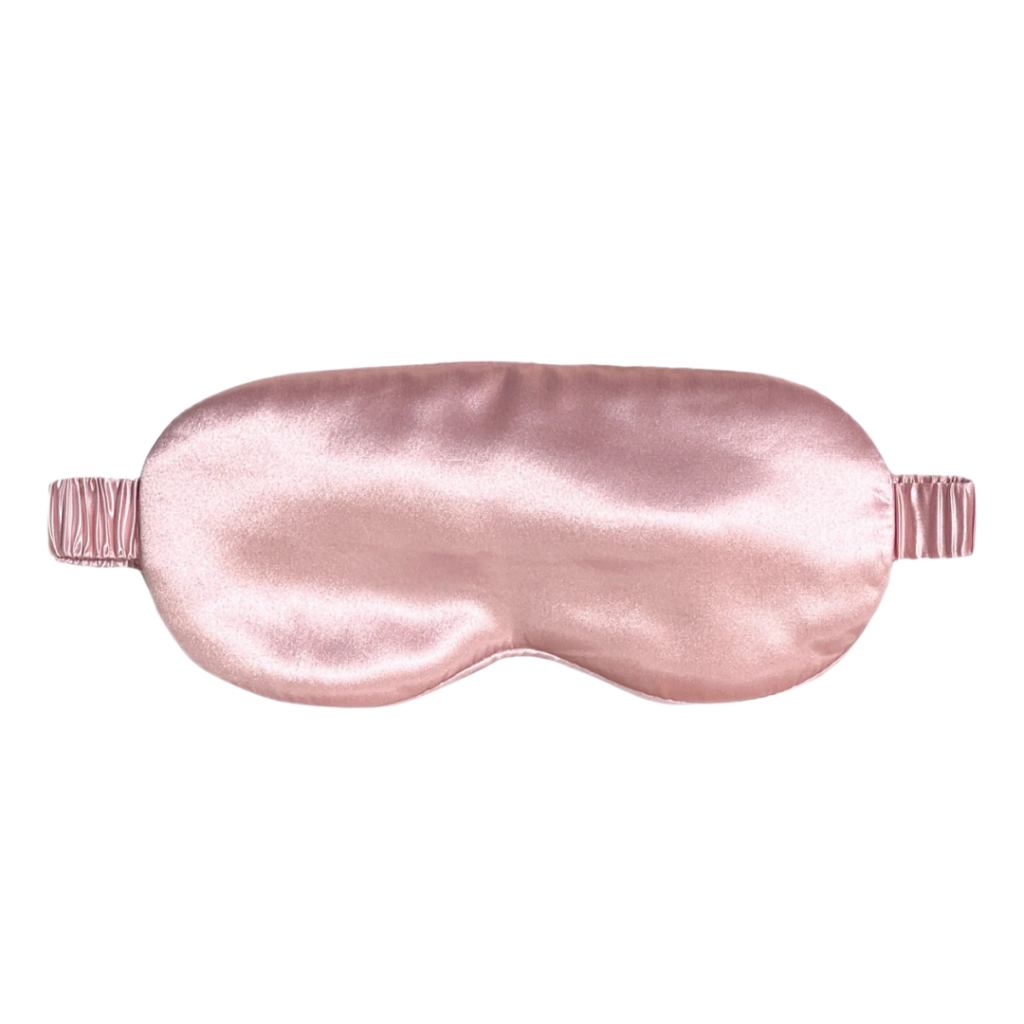
Finally, for a fail-safe method, try a sleep mask to mitigate all light disturbances. We like the silky soft ones from Honeylux.
Getting the right bedding to suit your needs is important. Generally speaking, natural fiber bedding like bamboo, cotton, or linen- allows for better breathability and temperature regulation. For mattresses and pillows, aim for natural and organic ingredients that will help minimize the off-gassing of their more synthetic counterparts. Look for non-toxic certifications like OEKO-TEX, GOTS- Certified Organic, and GOLS Certified Organic. Check out Avocado Green Mattress as a good option in this category.
Creating a tech-free bedroom can be a challenge these days. We can be quite attached to our devices and scrolling routines, even as we prepare for bed (guilty!). However, substantial evidence shows that the Blue-light emitting from screens is disruptive to our circadian rhythm- which consequently affects our natural melatonin production. Try implementing a “no devices in the bedroom” rule. An alternative alarm clock other than your phone, can help ease this transition and even wake you more gently. Alarms with peaceful nature sounds or a sunrise alarm clock, can be a great alternative for a more easeful waking.
Bonus Consideration:
Another consideration for creating a sleep-friendly environment is managing electromagnetic fields (EMF) in your bedroom. Some of us are more sensitive to this than others. One effective way to reduce EMF exposure is by turning off your WiFi router at night. This practice can potentially lead to better sleep quality by:
Reducing potential sleep disturbances caused by EMF radiation
Minimizing the temptation to use internet-connected devices late at night
Creating a more natural sleeping environment with less artificial electromagnetic activity
[2]Implementing good sleep hygiene practices is a journey, not a destination. Achieving our best rest requires patience, consistency, and a willingness to experiment with different techniques to find what works best for you. By prioritizing your sleep and bettering your sleep environment, you’re investing in your overall health, productivity, and quality of life. Here’s to a better tomorrow!
Read our other sleep-centric blogs:
Better Health Starts with Sleep: What Science is Discovering
Upgrading Your Bedtime Routine
Setting Yourself Up for Success Throughout the Day

Join to get the Haskill Newsletter and be the first to learn about new products, events, and other goings-on at Haskill Creek!